
What is Moringa? Complete Beginner’s Guide to Benefits, Uses & Nutrition (2026)
Primary Keyword: What is Moringa
Secondary Keywords: Moringa plant, Moringa nutrition, Moringa benefits, Moringa uses
What is Moringa?
Quick Answer
Moringa (Moringa oleifera), commonly known as the Drumstick Tree or
Miracle Tree, is a nutrient-rich plant native to India.
It contains essential vitamins, minerals, antioxidants, and plant-based protein.
Moringa leaves are commonly consumed as tablets, powder, tea, or capsules to support
daily nutrition and overall wellness as part of a healthy lifestyle.
Key Takeaways
- Moringa is a nutrient-dense plant native to India.
- Rich in vitamins A, C, E, calcium, iron, and potassium.
- Contains natural antioxidants and plant protein.
- Available as tablets, powder, tea, capsules, and seed oil.
- Easy to incorporate into a balanced daily routine.
What is Moringa?
Moringa (Moringa oleifera) is a fast-growing tree belonging to the
Moringaceae family. It grows naturally in tropical and subtropical regions,
especially in India, where it has been valued for centuries in traditional diets
and wellness practices.
Almost every part of the moringa tree—including its leaves, pods, flowers,
seeds, and roots—has practical uses. However, the leaves are considered
the most nutritious part because they contain a wide range of essential nutrients.
Today, moringa has gained global popularity as a natural superfood.
It is commonly used by people looking for convenient plant-based nutrition
to complement their everyday diet.
Why is Moringa Called the Miracle Tree?
Moringa is often referred to as the “Miracle Tree” because nearly every
part of the plant has value.
Its leaves are nutrient-rich, the pods are used in cooking,
the seeds can produce oil, and the flowers are also edible.
This versatility, combined with its nutritional profile,
has made moringa one of the most widely recognized superfoods.
While the term “Miracle Tree” is commonly used, it is important to remember
that moringa should be considered a nutritious food rather than a cure for any disease.
Moringa Nutrition Facts
One of the main reasons moringa is so popular is its impressive nutritional profile.
The leaves naturally contain several essential nutrients that support overall health.
| Nutrient | Benefit |
|---|---|
| Vitamin A | Supports normal vision and immune function. |
| Vitamin C | Helps support immunity and collagen production. |
| Vitamin E | Acts as a natural antioxidant. |
| Calcium | Supports healthy bones and teeth. |
| Iron | Helps transport oxygen throughout the body. |
| Potassium | Supports muscle and nerve function. |
| Plant Protein | Contributes to daily protein intake. |
The nutritional value may vary depending on the growing conditions
and how the moringa is processed.
What Are the Benefits of Moringa?
1. Supports Daily Nutrition
Moringa is packed with essential vitamins and minerals that can help complement a balanced diet.
2. Rich in Natural Antioxidants
The leaves contain antioxidants that help protect cells from oxidative stress caused by free radicals.
3. Supports Immune Health
The vitamins and antioxidants found in moringa contribute to the normal functioning of the immune system when consumed as part of a healthy diet.
4. Helps Maintain Energy Levels
Because moringa naturally contains iron and plant nutrients, many people include it in their daily routine to support overall vitality.
5. Supports Healthy Skin
Its antioxidant content and vitamins may help maintain healthy-looking skin as part of a balanced lifestyle.
6. Easy Plant-Based Nutrition
Moringa is a convenient way to add more plant-based nutrients to your everyday meals.
Different Ways to Use Moringa
One of the biggest advantages of moringa is its versatility.
Depending on your preference, you can choose from different forms.
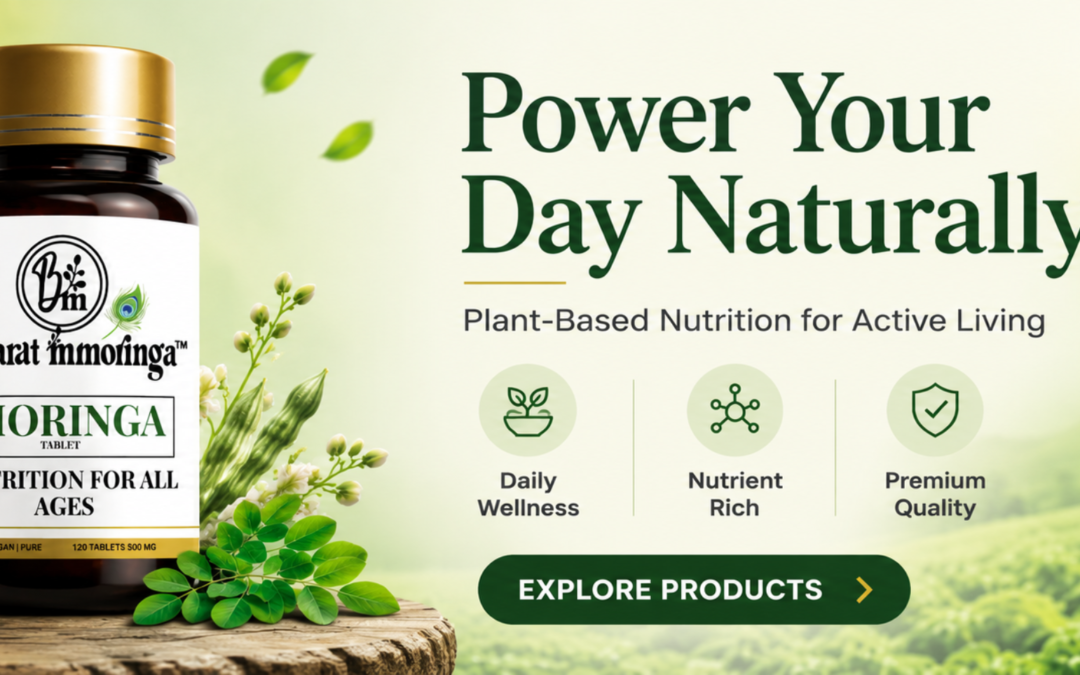
Moringa Tablets
Ideal for people who want a quick and convenient way to include moringa in their daily routine.
Moringa Powder
Can be mixed into smoothies, juices, soups, or sprinkled over salads.
Moringa Herbal Tea
A refreshing herbal drink that can be enjoyed hot or cold.
Moringa Seed Oil
Often used in skincare and haircare products because of its nourishing properties.
Some people also use moringa seed oil as part of their wellness routine, but research on oral use for joint health is still limited. Always consult a healthcare professional before using it for therapeutic purposes.
Choose the form that best suits your lifestyle and always follow the recommended serving instructions.
Who Can Include Moringa in Their Diet?
- Working professionals
- Students
- Fitness enthusiasts
- Older adults
- Individuals looking for plant-based nutrition
If you are pregnant, breastfeeding, taking medication,
or have a medical condition, consult a healthcare professional before using dietary supplements.
Is Moringa Safe?
When consumed in recommended amounts,
moringa is generally considered safe for most healthy adults.
Like any food or supplement,
excessive consumption may cause mild digestive discomfort in some individuals.
Choosing high-quality, hygienically processed moringa products
is also important to ensure safety and quality.
Frequently Asked Questions
What is moringa used for?
Moringa is commonly used as a source of plant-based nutrition
and is available as tablets, powder, tea, capsules, and seed oil.
Can I take moringa every day?
Many people include moringa in their daily wellness routine.
Always follow the serving recommendations provided on the product label.
Is moringa a superfood?
Yes. Moringa is widely recognized as a superfood because of its rich nutritional profile.
Which is better: moringa powder or tablets?
Both provide similar nutritional benefits.
Tablets offer convenience,
while powder can be added to food and beverages.
Does moringa contain protein?
Yes. Moringa leaves naturally contain plant-based protein
along with vitamins, minerals, and antioxidants.